The Athletic Aesthetic: Sport-Inspired Style Off the Field
Track jackets over trousers, tennis skirts at brunch, jerseys worn like statement tops — fashion keeps raiding the locker room, and this time it’s sticking around. The athletic aesthetic isn’t about working out; it’s sport as a style language you can wear anywhere.
Quick Answer: The athletic aesthetic means styling sport pieces — track jackets, tennis skirts, jerseys — with non-athletic anchors like trousers, loafers, or fine knits. Wear one sporty piece per outfit rather than a full matching kit, and you’ll get the cool, undone polish without looking like you’re headed to practice.

What exactly is the athletic aesthetic?
It’s the trend of pulling sport-coded pieces — think track jackets, tennis skirts, polo knits, and jerseys — out of their original context and into everyday fashion. You’re not dressing for a match; you’re borrowing the mood: relaxed, confident, a little nostalgic. The look works because it reads effortless even when it’s carefully put together.
A few signature pieces show up again and again:
- Retro-striped track jackets (usually $45-120)
- Pleated tennis or golf skirts
- Oversized sports jerseys, vintage or new
- Chunky “dad” sneakers or retro runners
- Cable-knit vests and polo shirts
Why does sporty style keep coming back?
Athletic codes signal ease and health — the opposite of trying too hard, which is exactly why it resonates every few seasons. There’s also nostalgia baked in: a lot of us have a specific 90s or 2000s image in our head the moment we see a striped jacket. Fashion tends to borrow whatever feels alive and low-effort, and nothing says “I didn’t overthink this” quite like gym-class gear worn on purpose.
How do you wear a track jacket without looking like you’re late for practice?
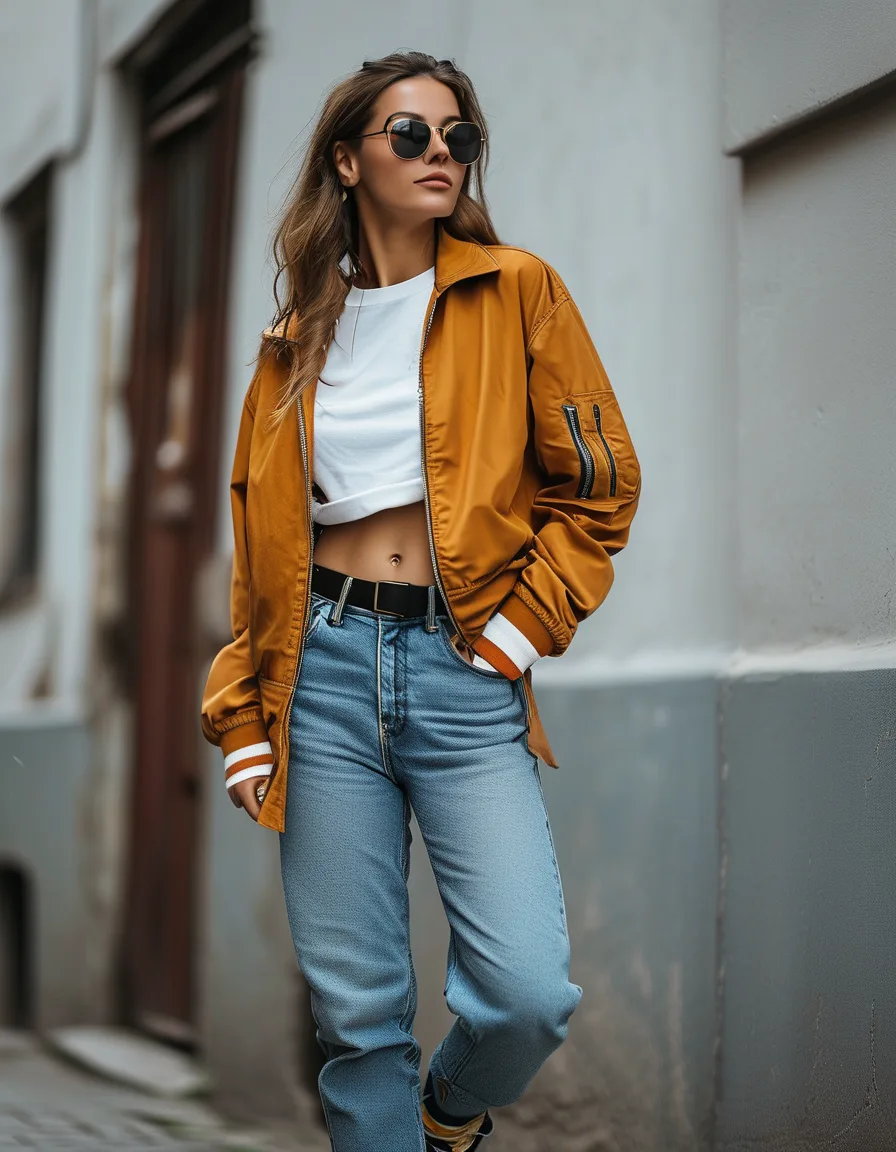
Skip the matching pants. Throw a retro-striped track jacket over dark denim, tailored trousers, or even a slip dress, and it instantly reads as a laid-back blazer alternative rather than a warm-up set. Vintage adidas-style silhouettes with the three stripes are the reference point most people reach for, but any zip-up with a sporty stripe or logo works the same way. Popped collar is optional — don’t force it if it feels costume-y.

Can you wear tennis and golf pieces off the court?
Absolutely, and it’s one of the easiest entry points into the trend. Pleated mini skirts, polo knits, and cable vests have made the jump from country club to city sidewalk. Pair a tennis skirt with chunky loafers or retro sneakers instead of court shoes, and you get preppy-athletic without the uniform look. This is the more polished end of the aesthetic — a good pick if track jackets feel too casual for your day.
What’s the right way to wear a jersey?
Go oversized, and give it room to breathe. A vintage or oversized jersey worn with cycling shorts, or layered under a blazer, reads confident and street-smart rather than sporty-costume. Vintage team pieces (yes, even from a team you don’t follow) add authenticity that a brand-new jersey can’t fake. One rule matters here: let the jersey be the single loud statement in the outfit — everything else should stay quiet.
Myth vs Fact: athletic aesthetic edition
- Myth: You need actual activewear brands to pull this off. Fact: Most of the best pieces are vintage-inspired fashion items that have never seen a gym — the sportiness is a print, a stripe, a silhouette, not the fabric technology.
- Myth: More sport pieces in one outfit equals more trend points. Fact: One statement piece per outfit is the sweet spot; stack three and you’ve accidentally built a costume.
- Myth: This look only works on athletic body types. Fact: The aesthetic is about styling and proportion, not physique — a track jacket over trousers works on literally any body shape.
How do you keep an athletic outfit from looking like a costume?
Ground every sporty piece with a non-athletic anchor. Try a track jacket with tailored trousers and loafers, or a tennis skirt with a fine-gauge knit instead of a matching polo. The moment you’re wearing a full “kit” — jacket, skirt, and sneakers all sport-coded — it stops reading as fashion and starts reading as team spirit. One sport piece per outfit is the rule that keeps this trend feeling styled instead of accidental.
See It in Motion
Seen here: UPF 50+ Adjustable A-Line Running Skort with Pockets — shop it on bubblelime.com
FAQ
Is the athletic aesthetic the same as athleisure?
Not quite. Athleisure usually means actual workout gear worn as everyday clothes, while the athletic aesthetic borrows the look of sport — stripes, jerseys, tennis pleats — in pieces that were designed as fashion, not performance wear.
What shoes go with the athletic aesthetic?
Chunky retro sneakers, classic tennis shoes, and even loafers all work well. The key is picking one shoe style that matches the formality of your sport piece rather than defaulting to running shoes every time.
How many sporty pieces should be in one outfit?
Stick to one. A single track jacket, jersey, or tennis skirt paired with non-athletic basics reads as intentional styling; two or more sport pieces together tends to tip into costume territory.
TL;DR:
- The athletic aesthetic borrows sport’s look — not its function — for everyday fashion.
- Pair track jackets, tennis skirts, and jerseys with non-athletic anchors like trousers or loafers.
- Stick to one sporty statement piece per outfit to avoid a costume-y “full kit” look.
- Vintage and retro-inspired pieces read more authentic than brand-new activewear.
- Chunky sneakers or loafers finish the look better than actual court shoes.
- Nostalgia and comfort are why this trend keeps resurfacing every few seasons.
Keep Reading
This article is for general styling and informational purposes only. Trends, sizing, availability and pricing may vary by brand and season.