How to Wear Trends Without Losing Your Style
Quick Answer: Wear one trend at a time, translated through your own style rather than copied whole. Keep roughly 80% of your wardrobe classic and 20% current, put the trend money into accessories and lower-priced pieces, and skip anything that doesn’t suit your colouring, shape or actual life — however loud it is right now.
You bought the thing. It was everywhere, it looked incredible on everyone, and it has now been in your wardrobe for eleven months with the tag on.
Not because it’s bad. Because it isn’t yours — and you knew that within about four days of buying it, which is why it never made it out of the house.
The skill isn’t avoiding trends. It’s borrowing from them without ending up dressed as somebody else.

How Do You Follow Trends Without Losing Your Personal Style?
By translating rather than adopting. A trend is a direction, not a uniform — and every direction has multiple versions.
Take a season where oversized tailoring is everywhere. That looks completely different depending on who’s wearing it:
- A minimalist takes it in a neutral, wears it with everything else fitted, and skips every embellished version.
- Someone who lives in colour takes it in a strong shade and keeps the cut simple.
- Someone who dresses casually takes it as an unstructured jacket over jeans rather than a full suit.
All three are wearing the trend. None of them look like a copy of the reference image, and all three still look like themselves.
The filter question is simple: what’s the version of this that fits how I already dress? If there isn’t one, that’s genuinely useful information — skip it, and spend the money on something you’ll wear.

One Trend at a Time
This is the rule that does most of the work.
One current element in an otherwise classic, personal outfit reads as current. Three or four at once reads as a costume — and specifically, as somebody who got dressed from a shop window rather than a wardrobe.
The mechanism: your eye needs a stable reference to read something as deliberate. Familiar shapes plus one surprise reads as a choice. All surprises reads as noise, and the individual pieces stop being visible at all.
Practically: get dressed in an outfit you know works, then swap in the one trend piece. That’s it. The trend gets a clean stage instead of competing with two others.

5 Mistakes Everyone Makes With Trends
1. Buying at peak. By the time something is in every shop, its remaining life is short and the versions available are the worst-made ones. Either buy early, or buy secondhand, or skip.
2. Spending real money on a micro-trend. The specific bag charm, the one shoe shape, the colour of the moment — these run their cycle in weeks. Trend spending belongs at the lower price points; that’s the entire point of the category.
3. Ignoring whether it actually suits you. Trends aren’t distributed fairly across body shapes, colourings and lifestyles. A silhouette that flatters you will feel natural within a day; one that doesn’t will feel like a costume forever, and no amount of styling fixes it.
4. Buying an orphan. If you can’t name three complete outfits you already own the rest of, don’t buy it. This one test would empty most people’s unworn pile.
5. Buying for a life you don’t have. The going-out version of a trend, when you go out twice a year. Be honest about your actual week — most trend regret lives here.
Invest in Classics, Experiment With Trends
The ratio that keeps a wardrobe both current and coherent: roughly 80% foundation, 20% current.
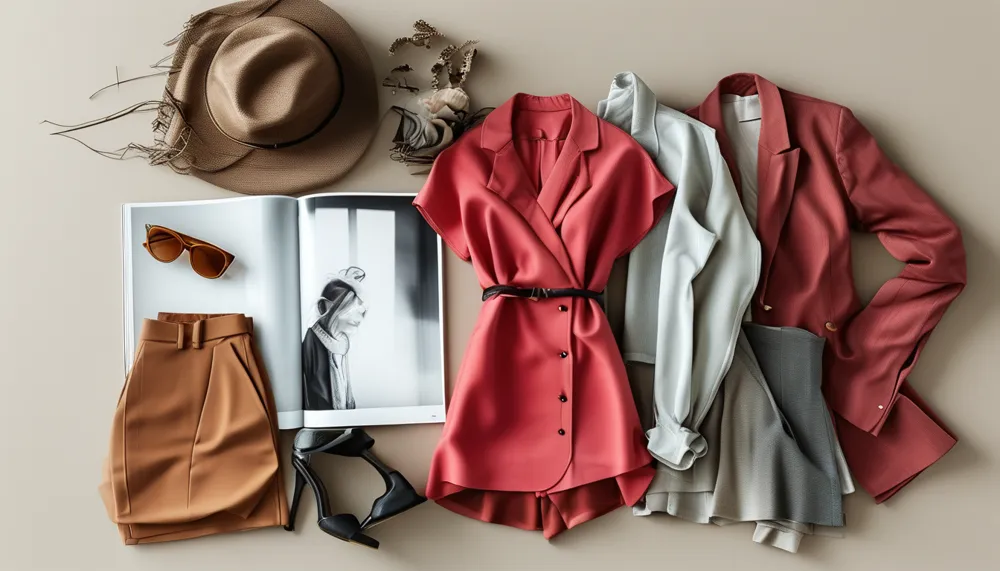
The foundation is where the money goes — a good coat, well-cut trousers, quality knitwear, shoes that last. These don’t date, and they’re what the trend pieces sit on top of.
The 20% is where the experimenting happens, and it should be cheap enough that being wrong doesn’t matter. Best places to put it:
- Accessories. A bag, shoes, jewellery, a scarf. Highest visibility for the lowest commitment, and they update a classic outfit instantly.
- Colour. The season’s shade in a knit or a top costs little and reads as current immediately.
- One silhouette you’re genuinely enjoying, in a mid-priced version.
And secondhand is the best-kept trick for trends specifically. Anything on a revival cycle — which is most things — is sitting on resale racks at last-decade prices right now. You get the trend early, cheaply, and in a better-made original version.
Mini FAQ
How do you know if a trend suits you?
Try it and check how you feel by day two. A trend that works stops feeling like a trend almost immediately — you just get dressed. One that doesn’t will make you self-conscious every time you catch your reflection, and that feeling doesn’t fade with familiarity.
Should you buy trendy clothes at all?
In small quantities, yes. A wardrobe with zero current pieces gradually starts to read as dated even when everything in it is technically classic. The workable approach is a handful of low-cost trend pieces per season sitting on a foundation you’ve invested in properly.
What’s the difference between a trend and a classic?
Duration and function. Classics — a trench, a white shirt, straight-leg jeans, a good coat — hold their value and look right across decades. Trends are the current season’s answer to a question, and they’re designed to be replaced. Both belong in a wardrobe; they just deserve very different budgets.
TL;DR
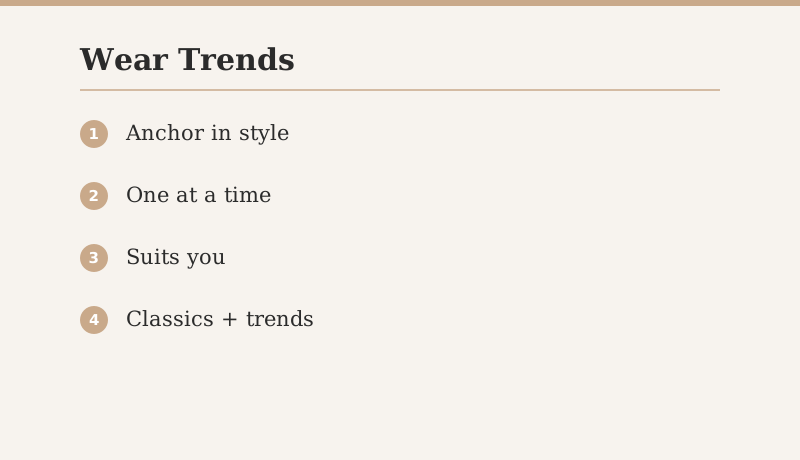
- Translate trends through your own style instead of copying them whole.
- One trend at a time, on an otherwise classic outfit. Three reads as costume.
- Put trend money in accessories, colour and lower price points — not investment pieces.
- Skip anything that doesn’t suit your shape, colouring or actual week.
- Run the three-outfit test before buying: no orphans.
- Keep roughly 80% foundation, 20% current — and buy revivals secondhand.
Anchor in what’s yours, add one current thing, and you’ll look fresh without looking borrowed.
Keep Reading
This article is for general styling and informational purposes only. Trends, sizing, availability and pricing may vary by brand and season.