Why Running the Cost-Per-Wear Math Before Buying a Trend Saves Real Regret
A trend piece gets bought in the moment based on how much it’s liked in the store or how many times it’s been seen online recently, with long-term wear as an afterthought. But running a quick, honest cost-per-wear estimate before buying, price divided by a realistic number of wears, not an optimistic one, catches most trend-purchase regret before it happens rather than after.

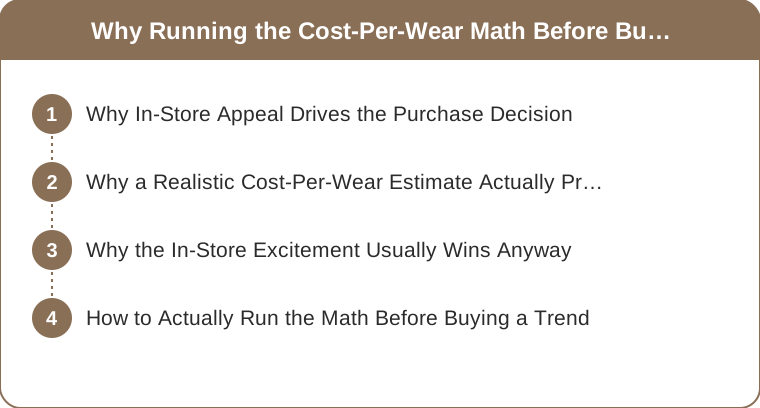
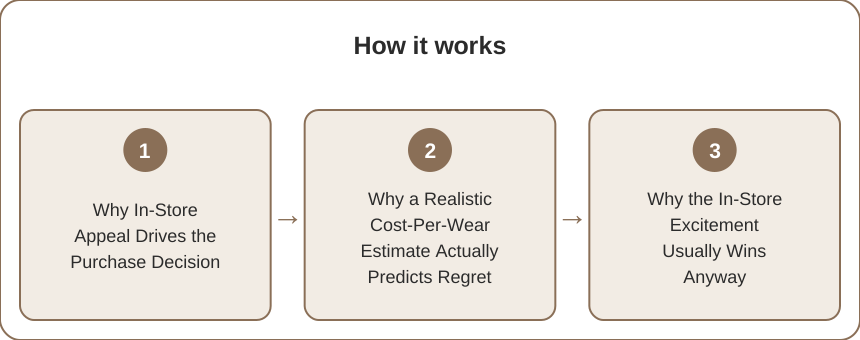
Why In-Store Appeal Drives the Purchase Decision
The in-the-moment logic: liking how a trend piece looks right now, in the fitting room or checkout line, feeling like sufficient justification for the purchase, since that immediate reaction is the most available piece of information at the time.
Why a Realistic Cost-Per-Wear Estimate Actually Predicts Regret
The honest-math check: a trend piece’s actual likely wear count usually being lower than it feels in the excited moment of purchase, since trends by definition have a shorter relevance window, and dividing the price by a conservative, realistic number of wears, five or ten rather than fifty, often reveals a cost-per-wear high enough to make the purchase feel less appealing before money changes hands.

Why the In-Store Excitement Usually Wins Anyway
The overlap: the honest math being available to anyone willing to do it, but the in-the-moment appeal of a trend piece is emotionally louder and more immediate than a mental calculation, which is why the estimate often gets skipped even by people who know it would be useful.
How to Actually Run the Math Before Buying a Trend
The practical habit: pausing before checkout to estimate a realistic, conservative number of wears and dividing the price by that number, treating a result well above the price of a typical single outing as a signal to reconsider, and the frame (a conservative, honest cost-per-wear estimate catches trend regret before it happens — running that math before buying is what actually protects against it.)
A trend piece gets bought based on how much it’s liked in the store, with long-term wear as an afterthought. But a trend piece’s actual likely wear count is usually lower than it feels in the excited moment of purchase, since trends have a shorter relevance window, and dividing the price by a conservative wear count often reveals a cost-per-wear high enough to make the purchase feel less appealing before money changes hands. The honest math is available to anyone, but in-store appeal is emotionally louder, which is why the estimate often gets skipped. Pausing to run that conservative math before checkout is what actually protects against trend regret.
Keep Reading
This article is for general styling and informational purposes only. Trends, sizing, availability and pricing may vary by brand and season.